



Vodič za lekare
Partners



Anaphylaxis
-
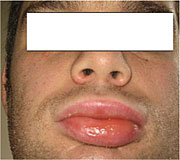 Anaphylaxis is an acute, potentially deathly reaction of over-sensitivity created by releasing the mediators from mast cells, basophils and other inflammatory cells.
Anaphylaxis is defined as multiple symptoms and signs, sole or in combination, which manifest within several minutes up to several hours, after the exposition to the provoking agent.
It can be mild, moderately severe to severe, or severe. In majority of the cases it is mild, but any anaphylaxis can potentially become deadly.
Anaphylaxis develops rapidly, usually from 5 to 30 minutes, and rarely is it the case of it lasting up to a few days. Sometimes there is a period of inaction from 1 to 8 hours, before a secondary reaction is developed (biphasic response). It can come to a deadly outcome within minutes, and rarely within days or weeks after the initial anaphylactic reaction.
The term anaphylaxis is usually reserved for immune, especially IgE mediated reaction.
The other term non-allergic anaphylaxis describes clinically identical reaction which is not immune mediated. Clinical diagnosis and treatment, are, after all, the same.Clinical symptoms and signs:
The first manifestation of anaphylaxis can be fainting. Symptoms and signs can be manifested by one organ or a number of systems.
- Gastrointestinal - stomach pain, nausea, vomit, liquid stool, frequent urge to stool or incontinence.
- Oral - itching of lips, tongue and palate, swelling of lips and tongue.
- Respiratory - upper airway obstruction due to angioedema of the tongue, oropharynx and laryngeal, bronchospasm, tightness in the chest, cough, wheezing, rhinitis, sneezing, congestion and rhinorrhea.
- Cutaneous - diffuse erythema, redness, urticaria, itch, angioedema.
- Cardiovascular - faint, hypotension, arrhythmia, hypovolemic shock, syncope, chest pain.
- Ocular - periorbital edema, erythema, conjuctival hyperemia, narrowing.
- Genitourinary - pain, frequent urge to urinate or incontinence.
Causes of anaphylaxis, incurred by IgE mediated reaction, are most frequently: over-sensitivity to food, pollen, antibiotics and other medications, insects, latex, other proteins, as well as medical procedures (immune therapy).
Anaphylaxis demands urgent treatment:
- A = Airway. Secure patients airways by positioning the head and the neck, by endotracheal intubation or urgent tracheotomy.
- B = Breathing. Secure, if necessary, oxygen and oxygen saturation of at least 91% when measuring with pulse oximeter. Treat bronchospasm. Prepare the endotracheal intubation kit.
- C = Circulation. Assess the adequacy of perfusion by measuring the pulse, blood pressure and estimate mental state and capillary filling time. Apply infusion of isotonic solution of sodium-chloride. If application of vasoconstrictor and dopamine is necessary, the patient needs to be transferred to an intensive care unit.
ABC can also be used mnemonic for anaphylactic pharmacotherapy:
- A = Adrenalin = epinephrine
Epinephrine is an optional medicine of anaphylaxis. Common dose of epinephrine for adults is 0.3-0.5 mg of 1:1000 solution and is applied intramuscularly every 10-20 minutes or when necessary.
- B = Benadryl
Antihistamines are not used as initial anaphylaxis therapy, but can be used when the patient is stabilized. It can be applied intravenous, intramuscularly or orally.
- C = Corticosteroids
Corticosteroids are not important with acute anaphylaxis, but they can prevent relapse or extended anaphylaxis. Hydrocortisone (100 to 200 mg) or equivalent can be applied every 6-8 hours in the first 24 hours.
Epinephrine is an optional medicine for anaphylaxis treatment. Persons with high risk should have pre-prepared epinephrine injection in the self-aid kit. They must also be trained to apply it.
 This website has been produced with the financial assistance of the European Union. The content of the website is the sole responsibility of the European Affairs Fund of Autonomous Province of Vojvodina and can under no circumstances be regarded as reflecting the position of the European Union and/or the Managing Authority.